Monsoon brings a different kind of beauty to the mountains. The hills become greener, waterfalls start flowing, and the whole landscape feels fresh after the rain. For trekkers, it is a great time to see the mountains from a different side.
But trekking in the rainy season also has some challenges. Trails can become muddy and slippery, streams may have more water, and the weather can change quickly. So, it is important to choose your trek carefully. If you are looking for more options, you can also explore these best monsoon treks in India before deciding where to go.
Here are five treks in India that are worth considering during the monsoon season.
Table of Contents
1. Valley of Flowers Trek, Uttarakhand
The Valley of Flowers is one of the most beautiful places to visit during the monsoon. It is located in Uttarakhand and is known for the many colourful flowers that bloom here during the season.
The trek usually starts from Govindghat. From there, you trek towards Ghangaria and then continue to the Valley of Flowers. The trail takes you through forests, streams and mountain paths before opening up to the valley.
The main attraction is, of course, the flowers. During the blooming season, the valley is covered with different types of wildflowers. The mountains around the valley make the views even better.
The trek is not extremely difficult, but the rain can make the trail slippery. Good trekking shoes and a proper rain jacket are important.
Best time: July to September
Difficulty: Moderate
Ideal for: Nature lovers, beginners and photographers
2. Hampta Pass Trek, Himachal Pradesh
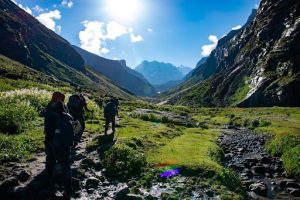
Hampta Pass is a great trek if you want to see different types of landscapes in one trip. The trek starts near Manali and takes you towards the Lahaul region.
The lower parts of the trek are usually green, with forests, grasslands, waterfalls and streams. As you get closer to Hampta Pass, the landscape starts changing. After crossing the pass, you enter the dry and rocky landscape of Lahaul.
This change in scenery is what makes Hampta Pass special. You get to see green valleys, rivers, mountain passes and dry mountains during the same trek.
The trek usually takes around four to five days. You don’t need to be an experienced trekker, but having a good level of fitness will make the trek easier.
If you are planning to do this trek, you can also look at a Hampta Pass Trek package to understand the usual itinerary, inclusions and overall planning involved.
Rain can make some parts of the trail difficult, so waterproof clothes and good trekking shoes are important.
Best time: June to September
Difficulty: Moderate
Ideal for: Beginners with good fitness and trekkers looking for a high-altitude trek
3. Bhrigu Lake Trek, Himachal Pradesh
Bhrigu Lake is another popular trek near Manali and is a good option for people who want to experience a high-altitude Himalayan trail without spending too many days on the mountains.
The trek takes you through green meadows, forests and mountain trails before reaching Bhrigu Lake. One of the best parts of the trek is the open meadows, where you can enjoy wide views of the surrounding mountains.
During the summer and early monsoon season, the meadows are usually covered in greenery and wildflowers. The weather can change quickly at higher altitudes, so it is important to be prepared for rain and cold conditions.
The trek is considered moderate. While the distance may not seem too long, the altitude and steep sections can make it challenging for someone who is not used to trekking.
Regular walking, jogging or stair climbing before the trek can help you prepare.
Best time: May to October
Difficulty: Moderate
Ideal for: Beginners with good fitness and trekkers looking for a short high-altitude trek
4. Kashmir Great Lakes Trek
The Kashmir Great Lakes Trek is one of the most popular high-altitude treks in Kashmir. The trail takes you through large green meadows, mountain passes, streams and several beautiful alpine lakes.
What makes this trek special is the number of different landscapes you see along the way. The lakes are surrounded by high mountains, and the colour of the water can change depending on the light and weather.
The trek usually takes around six to eight days, depending on the route and itinerary. It is longer than many beginner-friendly treks, so having good stamina is important.
The main trekking season is from July to September, when the meadows are green and the weather is generally suitable for trekking. However, mountain weather can still change quickly, and rain can make some sections of the trail slippery.
This trek is a good choice for someone who has already done a few shorter treks and wants to experience a longer Himalayan trek.
Best time: July to September
Difficulty: Moderate
Ideal for: Trekkers looking for alpine lakes, green meadows and longer Himalayan trails.
5. Rajmachi Trek, Maharashtra
You don’t always have to travel to the Himalayas for a good monsoon trek. The Western Ghats of Maharashtra become extremely green during the rainy season, and Rajmachi is one of the popular treks in the region.
The Rajmachi trek takes you through forests, grasslands and small streams before reaching Rajmachi Fort. During the monsoon, the hills around the fort become covered in greenery and you can find waterfalls along the way.
Another advantage of Rajmachi is that it is easy to reach from cities like Mumbai and Pune. This makes it a good choice for a weekend trekking trip.
The trail can get quite muddy during heavy rain, so shoes with a good grip are important. The misty hills and cloudy weather, however, make the trek a memorable experience.
Best time: June to September
Difficulty: Easy to moderate
Ideal for: Beginners, weekend trekkers and people from Mumbai or Pune
Things to Carry for a Monsoon Trek
Trekking during the rainy season needs a little extra preparation. Here are a few things you should keep in mind:
Carry a rain jacket: A good waterproof jacket can protect you from sudden rain. You should also use a rain cover for your backpack.
Wear proper trekking shoes: Wet and muddy trails can become very slippery. Avoid regular sports shoes and use shoes with good grip.
Keep your things dry: Carry waterproof pouches or dry bags for your phone, wallet, camera and other important items.
Check the weather: Always check the weather before starting your trek. Heavy rain can sometimes make trails unsafe.
Start early: Starting early gives you more time to complete the day’s trek and reduces the chance of getting caught in bad weather later in the day.
Be careful around streams: Water levels can rise quickly during heavy rain. Never cross a stream if the conditions look unsafe.
Listen to local guides: Local guides know the trail and weather conditions better. If they ask you to avoid a particular section, it is better to follow their advice.
Which Monsoon Trek Should You Choose?
There is no single best monsoon trek for everyone. It depends on what you want from the trip.
For flowers and beautiful Himalayan views, Valley of Flowers is a great choice. If you want changing landscapes and a high-altitude pass, you can consider Hampta Pass.
For alpine lakes and green meadows, Tarsar Marsar is a good option. If you want a shorter trek, Kheerganga can be considered. And if you are based around Mumbai or Pune and want a quick weekend adventure, Rajmachi is worth exploring.
Monsoon trekking can be a little challenging because of rain and slippery trails, but that is also what makes it special. With the right shoes, rain protection and a little planning, you can enjoy some of the greenest and most beautiful landscapes in India.